
The Role of Community in Grief: A Shared Journey Through Loss
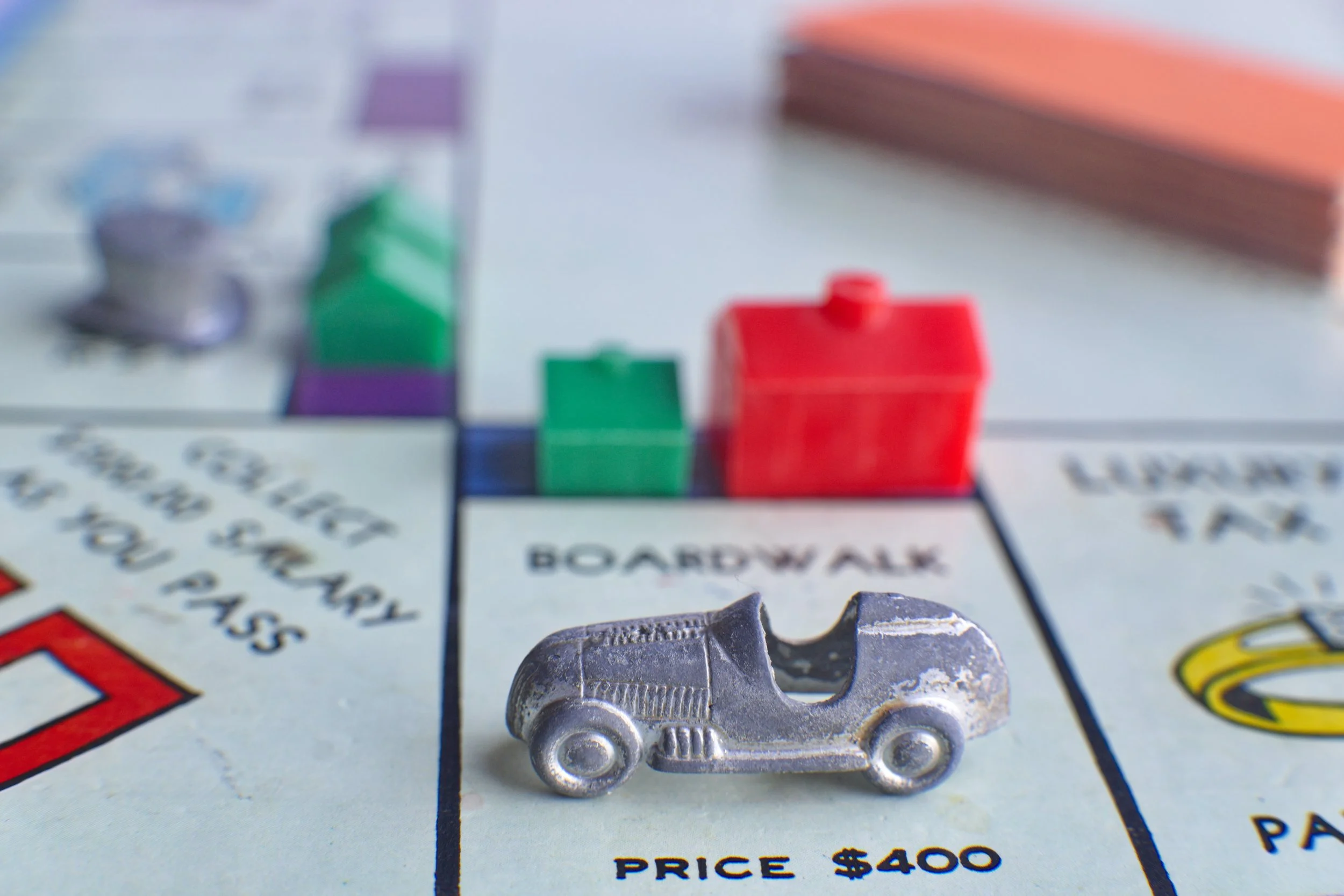
Imagine losing a game of Monopoly – not just any game, but one where you were moments away from real estate domination. There you are, bankrupted by Park Place, and your friends are laughing, offering mock condolences. It's a silly scenario, but it highlights a fundamental truth: even in our smallest losses, the presence of others makes a difference. It turns frustration into a shared joke, a moment of bonding. Now, let's magnify that to life's real losses.
In the landscape of grief, the role of community is often understated yet profoundly impactful.
Grief can feel isolating like you're adrift in a sea of emotions while the rest of the world goes on. In these moments, the support of a community – be it family, friends, or a wider network – can be a lifeline. The problem arises when we underestimate the power of this support, either by not seeking it out or not knowing how to offer it.
So, how does community fit into the grief process?
Community plays several vital roles in grief:
Emotional Support: Simply having someone to listen and empathize can be immensely comforting.
Practical Help: Assistance with day-to-day tasks can be a huge relief during times of grief.
Continued Connection: Maintaining a sense of belonging and normalcy is crucial for emotional health.
Shared Remembrance: Communities can come together to celebrate the life and memories of the one lost.
Resource Sharing: Communities often have access to a variety of resources, from grief counselors to support groups.
Understanding these roles is one thing, but how do we actively engage with or foster such support?
Engaging with community support involves both seeking and offering help. It means reaching out when you're in grief and being there for others in their time of need. It’s about creating and participating in support systems, whether it’s a formal support group, an informal gathering of friends, or community events. It’s also about open communication – expressing needs and offering assistance without judgment or expectation.
A friend once shared how her local community and church rallied around her after the loss of her brother. They organized meals, offered to run errands, and simply sat with her, sharing stories and memories. This outpouring of support was a lifeline during her darkest days. It reminded her that even in the depths of grief, a community's love and support can be a beacon of hope.
In the journey of grief, the role of community cannot be overstated. It’s about more than just individual healing; it’s about coming together, sharing the burden of loss, and finding strength in our collective resilience. When we navigate grief hand in hand, the path to healing becomes shared, filled with understanding, compassion, and hope.